

Welcome to our history post where I share some history with an old photo and meaningful writing. The historical reflections in my posts aim to convey the profound connection between the past and present, illustrating how God’s presence is interwoven with the passage of time. The rich tapestry of history comes alive, enhancing our awareness of the divine in nature and human experiences. Each post is a testament to the enduring grace and guidance of the divine, drawing us closer to the eternal embrace of faith.

MONDAY POST: Logging Banff and using the Bow River to bring the logs home to Calgary. This seems like a very far-fetched use of words in today’s world, but here is how and what happened. In the picturesque region of Banff, nestled within the majestic Canadian Rockies, a unique and unconventional method of transporting logs emerged. This fascinating practice involved harnessing the natural flow of the Bow River to convey the harvested logs from Banff to the bustling city of Calgary.

The Bow Loggin River
Happy Earth Day!
If you can imagine, the Bow River was once referred to as a wooden river. For 58 years, it was used to drive logs from the Canadian Rocky Mountains downstream to Calgary. Utilizing a waterway for log transportation represents an intriguing departure from contemporary means of cargo conveyance. This crafty endeavor highlights the creativity of the individuals involved and serves as a testament to the ingenuity of harnessing natural resources in unconventional ways.
In 1883, the Government of Canada anticipated the need for building materials. It advertised for tenders for ten timber berths covering about 500 square miles on the slopes of the Rocky Mountains in the Bow Valley. The timber was sold to the highest bidder. Four of the timber births straddled the Bow River from Canmore to the base of Castle Mountain, west of Banff.
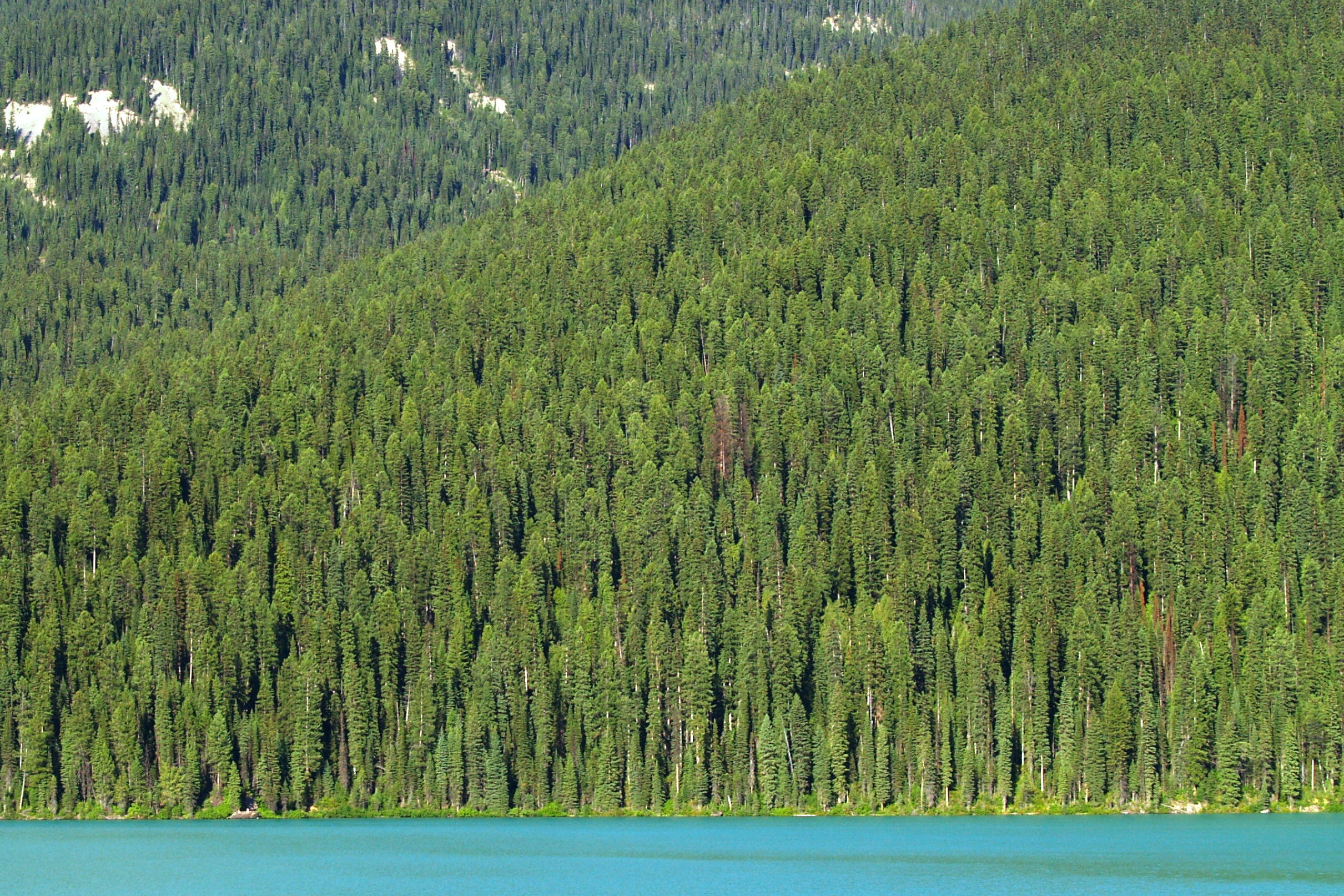
Timber Berth – Standing Timber
By 1885, logging had begun in the Bow Valley. In Banff National Park, logging ended in the visible locations in 1890 but continued in remote places until 1930. By 1887, the Bow River had turned into a classic Canadian log-driving river, a forest of timber connected to the Calgary Eau Claire sawmill by a swift-flowing stream.
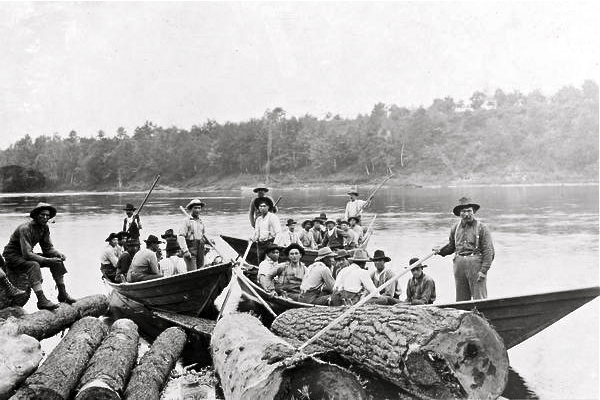
Logging Crews on the River
Early tourists to Banff would have watched logs shooting over the Bow Falls and meet up with the logs floated down the Spray River. At the meeting of the rivers in the pool below the falls, the logs would be boomed and then sent on downriver through the shallow flats at Canmore, through the rapids at The Gap, and out of the mountains into the foothills. At the mouth of the Kananaskis River, another boom of logs joined the speedy journey over the Kananaskis Falls, the Horseshoe Falls, then through the Nakoda reserve, past Cochrane, and on to Calgary.

Log’s being coaxed over Bow Falls, Banff
The first log drive in 1887 was a disaster, nine of the river drivers were swept over the Kananaskis Falls in their boat, six of the men were killed. Due to the windfalls and many boulders, it took most of the summer to bring the logs down to Calgary.

Logs boomed on the Bow River near Kananaskis – 1897
Nonetheless, this drive established a pattern that would become a seasonal ritual. For a few months starting in late May, gangs of thirty to forty men would dangerously and with tremendous physical labour coax a ten-mile fleet of logs downstream three or four miles a day until they reached Calgary.

Cruising the Bow River at the base of Bow Falls, Banff
Timber was cut every winter, floated to Calgary in spring, and sawed into lumber in summer and fall. In the off-season, crews improved the river by constructing brush dams, hauling out snags, using dynamite to open tight channels, building flash dams to improve the flow, and building lakes to store water for the drive.
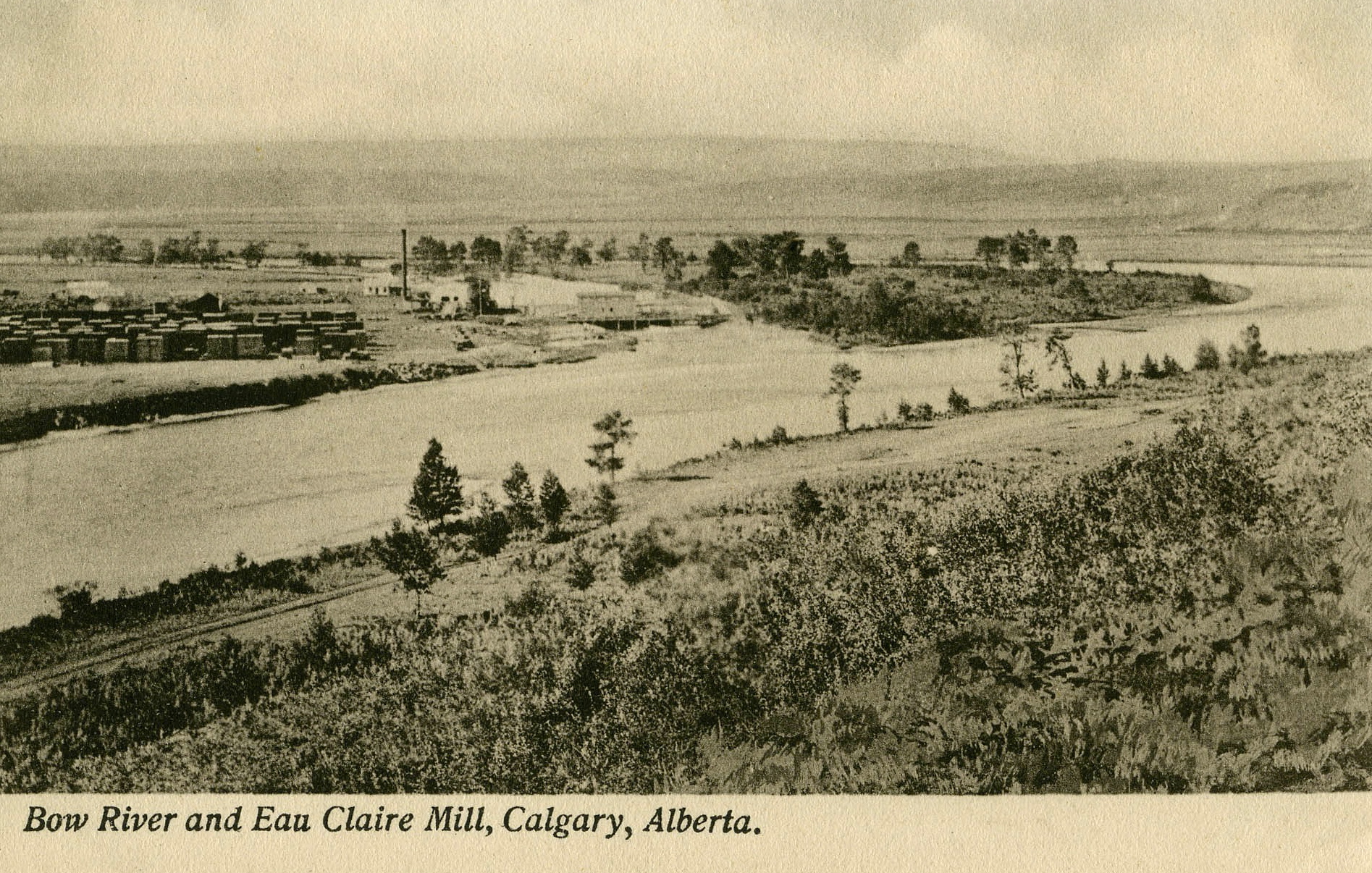
Log destination-Eau Claire and Bow River Lumber Co Ltd-Princes Island-Calgary
The height of production and the river drives covered fifty-eight years between 1886 and 1944. By this time most of the City of Calgary had been floated down the river. The construction of several hydroelectric dams on the Bow made it more difficult and costly to continue the regime of the wooden river.

Kananaskis Falls, Seebee – 1894 – Six men were swept over the falls to their death in 1887.

Kananaskis Falls, Seebee – 2005
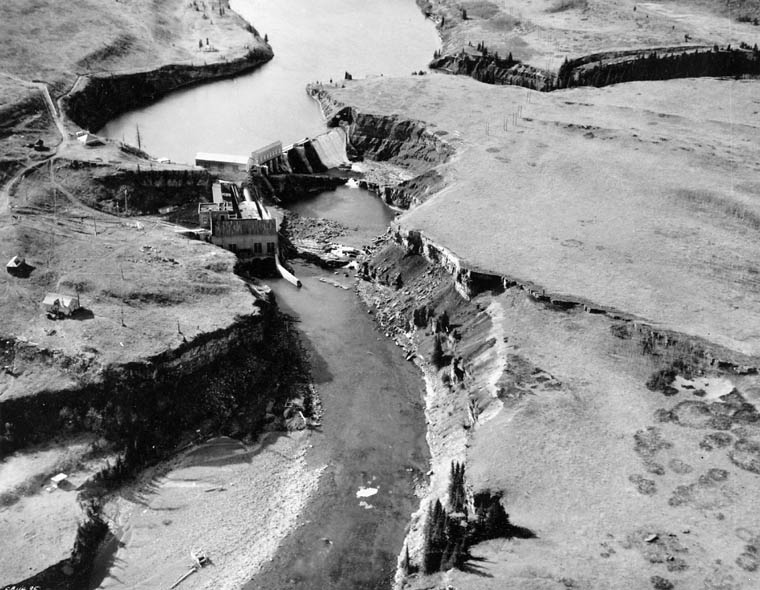
Horseshoe Falls on the Bow River 3 km north of Kananaskis Falls – Built 1911
Indeed, the saga of logging Banff and employing the Bow River as a conduit for log transportation unveils an extraordinary tale that defies conventional expectations. It invites readers to ponder the intersecting forces of tradition and progress shaping our world.


Discover more from Discover God's Word
Subscribe to get the latest posts sent to your email.